

Start retinol slowly. Use a pea-sized amount at night, two or three evenings a week, on clean, dry skin, and wear sunscreen every morning. Keep strong exfoliating acids for other nights while your skin settles in, and expect it to feel a little dry or tight at first. Add evenings only as your skin feels comfortable. One retinol product, used steadily, does more for smoother-looking skin than three used now and then.
What Is Retinol?
Retinol is a form of vitamin A. In skincare it is valued because it supports the skin's own renewal at the surface, and with steady use over weeks that is linked with smoother-looking skin, a more even-looking texture and a softer look of fine lines. It is a long-established ingredient in cosmetic science, which is why it sits at the heart of so many night routines.
On a label, you will see it in several forms. They differ mainly in how many steps the skin takes to turn them into the form it uses:
- Retinol: the familiar form, and the one most serums and creams are built around.
- Retinal (retinaldehyde): one step closer to the form the skin uses, so it is often described as quicker to work.
- Retinyl esters, such as retinyl propionate: a step further away, and usually the softest introduction.
- Bakuchiol: not vitamin A at all, but a plant extract that brands present as an alternative to retinol.
Retinol Serums
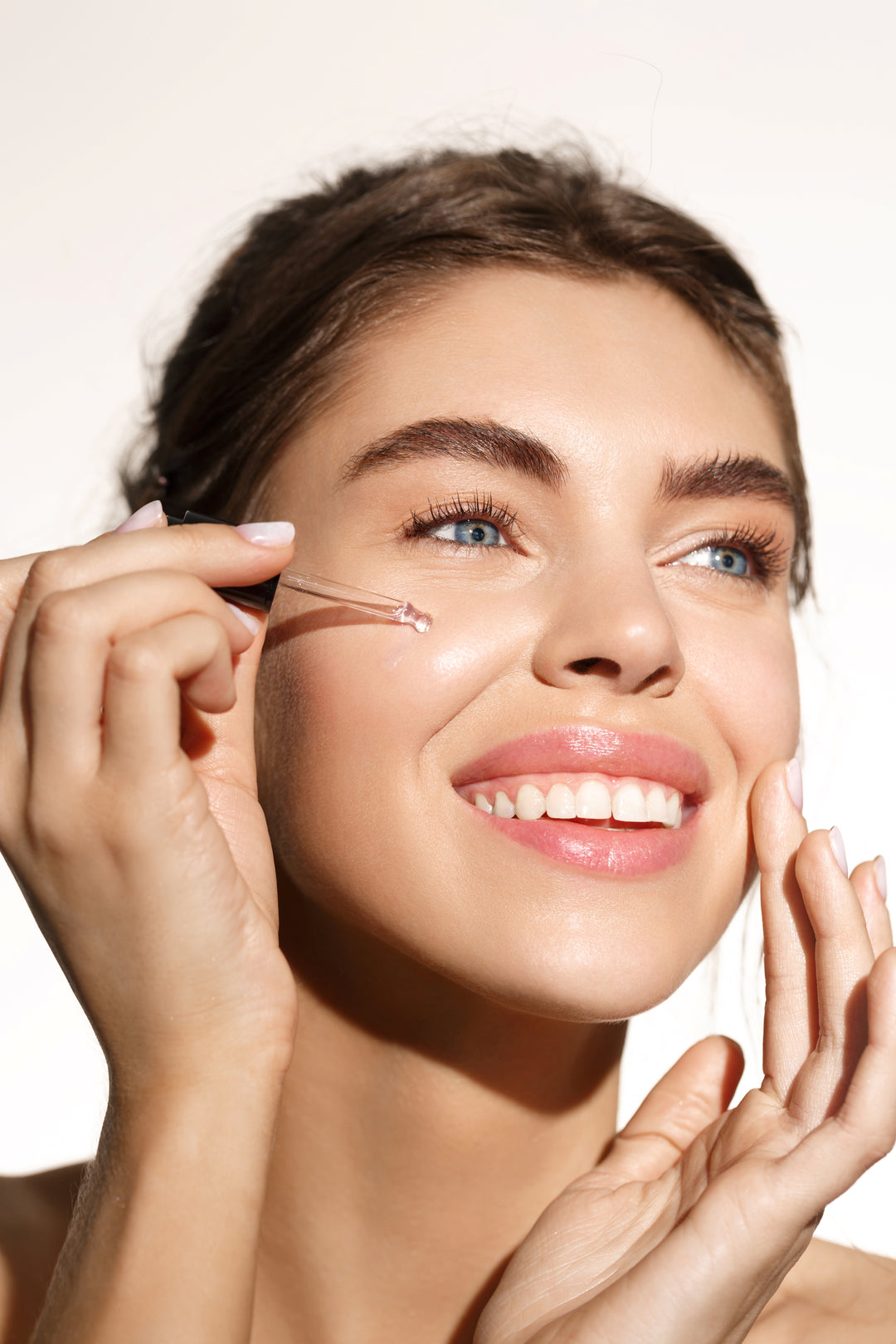
A serum is the classic way to wear retinol: a light texture, applied after cleansing and before moisturiser. Clinique's Smart Night serum pairs retinol with sodium hyaluronate and niacinamide as a night-time step. La Roche-Posay's Retinol B3 Serum combines 0.3% retinol in a time-release form with niacinamide, which is vitamin B3. Vichy's Liftactiv Retinol Specialist Serum uses 0.2% pure retinol with peptides and sodium hyaluronate, in packaging designed to limit oxidation. Payot's Lisse night serum is an oil serum of retinol and botanical oils, applied with a dropper before your night cream.
- Smart Night Clinical Multi-Dimensional Repair Treatment Retinol Face Serum
- Retinol B3 Face Serum
- Liftactiv Retinol Specialist Serum
- Lisse Retinol Renewing Night Serum
Retinol Creams
If you prefer one step to two, a retinol night cream brings the active and the moisturiser together. Avène's night cream is built on retinal, with niacinamide and hyaluronic acid. Origins pairs retinol with niacinamide, sodium hyaluronate and squalane in a nourishing cream. The Conscious combines retinol with pomegranate oil in a night cream for combination to oily skin. Vitesse's Retinol & Microalgae cream comes with the advice we would give: start twice a week and build up.
- Retinal + Niacinamide Night Repair Cream
- Retinol Night Moisturiser — Nourishing Cream
- No 7 Retinol Wrinkle-Clear Night Cream
- Retinol & Microalgae Anti‑Ageing Cream
How Do You Start Retinol?
Low and slow is the whole method. Begin with two or three nights a week, and add an evening only when your skin feels comfortable. Many people settle at every other night or nightly within a couple of months; others stay at a few nights a week, and that is fine too.
- Use it at night only, as part of your evening routine.
- A pea-sized amount is enough for the whole face. More does not mean quicker.
- Apply to clean, dry skin, and keep it away from the eye area unless the product is made for it.
- Follow with a simple moisturiser if your skin feels dry.
- Give it time. Changes in how skin looks build over weeks, not nights.
A Measured First Retinol
For a first retinol, choose a format that makes a small, steady start easy. Elizabeth Arden's Retinol Capsule Serum-Gel comes in single-dose capsules, with the suggestion to begin two to three times a week. Olay's Regenerist Retinol 24 Night Serum is fragrance-free and lists retinyl propionate alongside retinol. Cerave's Resurfacing Retinol Serum uses encapsulated retinol with three ceramides and niacinamide. If you would rather not use vitamin A at all, Benton's Bakuchiol Serum is built around bakuchiol, with hyaluronic acid for hydration.
- Retinol Capsule Serum‑Gel
- Regenerist Retinol 24 Night Serum
- Resurfacing Retinol Serum Face Serum
- Bakuchiol Serum
Why Does Retinol Need Daily SPF?
Retinol can make skin more sensitive to the sun, and the smoother-looking skin you are working towards is easily undone by daily sun exposure. So daily SPF is part of using retinol, not an extra. Choose a broad-spectrum sunscreen you are happy to wear every morning, apply it generously as the last step of your routine, and reapply when you are outdoors.
Texture decides whether you will actually wear it. La Roche-Posay's Anthelios UVMune 400 Invisible Fluid SPF 50+ is light and non-perfumed, and sits neatly under make-up. Chanel's UV Essentiel SPF 50 is a lightweight fluid with added antioxidant and anti-pollution care. Shiseido's Urban Environment SPF 30 is oil-free with a mattifying finish, for skin that shines by midday. Cerave's AM Facial Moisturising Lotion SPF 50 is moisturiser and sunscreen in one for normal to dry skin, with ceramides and niacinamide.
- Anthelios UVMune 400 Invisible Fluid SPF 50+ Sunscreen
- UV Essentiel Complete Protection SPF 50 Sunscreen
- Urban Environment Age Defense Sun Dual Care Oil-Free SPF 30 Face Suncare
- AM Facial Moisturising Lotion SPF 50
What Should You Not Mix With Retinol?
At the start, keep strong exfoliating acids, such as glycolic, lactic or salicylic acid, off the nights you use retinol. Both work at the skin's surface, and together they can leave it feeling raw. Use your acid on a different evening, or pause it for the first few weeks; the same goes for scrubs. Once your skin is used to retinol, you can bring an acid back on alternate nights.
Other ingredients sit happily alongside it. Hydrating ingredients such as hyaluronic acid, glycerin, ceramides and niacinamide often share the same formula, which is why so many of the products above include them.
Is It Normal for Skin to Feel Dry at First?
Yes. In the first weeks, many people find their skin feels dry, tight or a little flaky, sometimes with some redness. This usually eases as your skin adjusts. If it happens, step back to fewer nights a week, use a richer moisturiser, or apply your moisturiser first and your retinol over it. If your skin stings or stays uncomfortable, stop and let it settle before you try again. Testing a new product on a small patch of skin first is always sensible.
Retinol, Pregnancy and Breastfeeding
Whether to use vitamin A skincare during pregnancy is a medical question. If you are pregnant or breastfeeding, ask your pharmacist or doctor before using retinol, retinal or any other vitamin A product.
Where to Begin
Choose one retinol, use a pea-sized amount two nights a week, and wear sunscreen every morning. Give it a month before you judge it, and build from there.



Laat een reactie achter